What it is
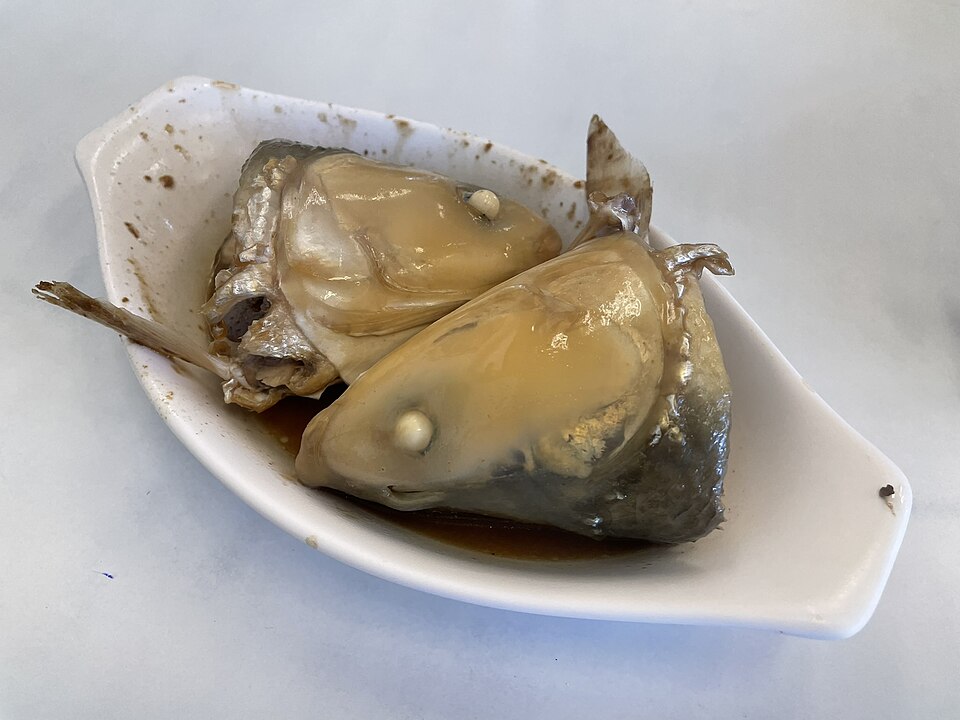
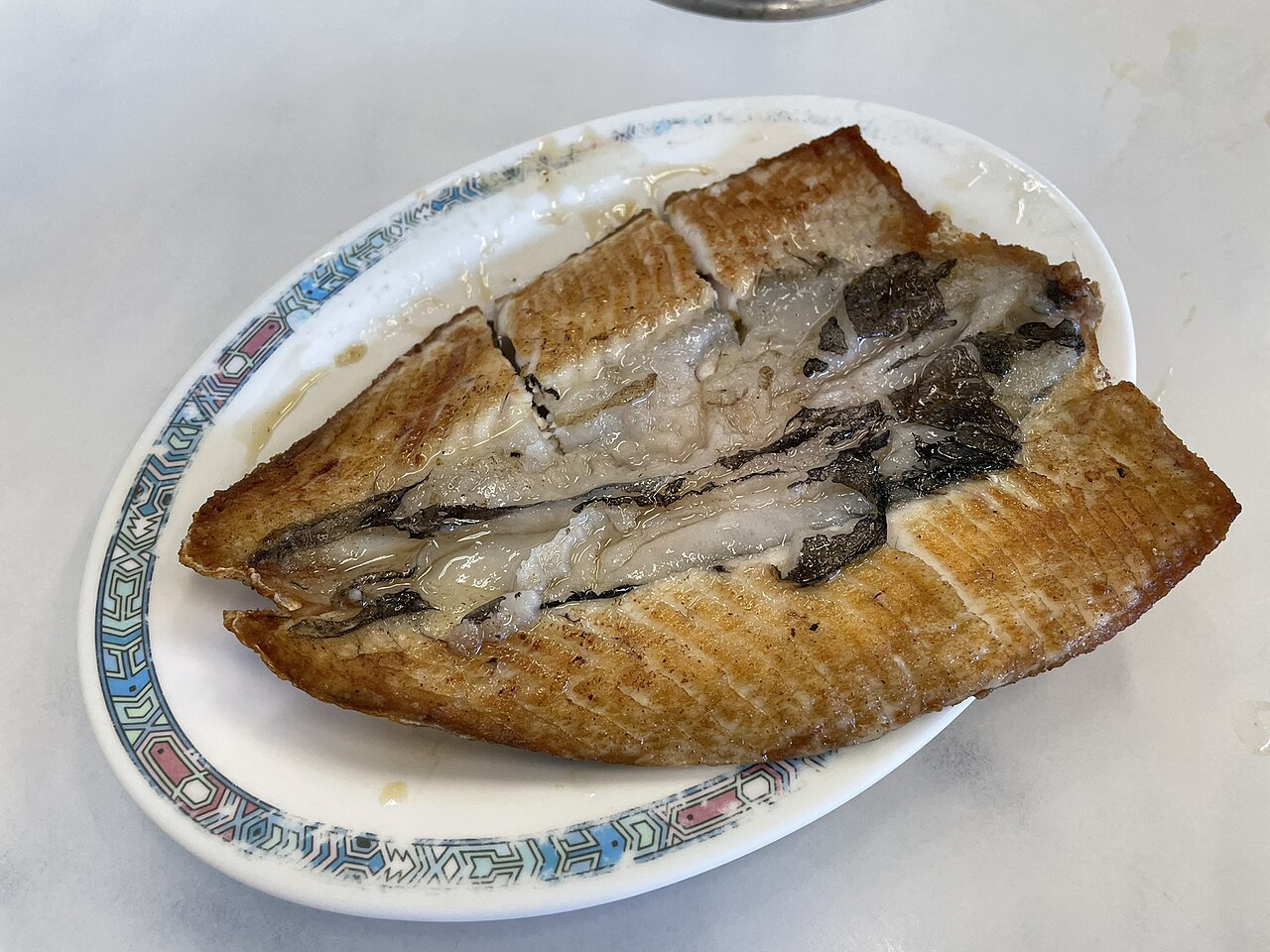
Milkfish (虱目魚) is one of the most popular fish in Taiwanese cooking, cheap and common on family tables, though its fine bones make it hard to fillet. The prized cut is the fatty belly (虱目魚肚). Skin and head go into soup, stomach meat is eaten with fried dough sticks, and the flesh becomes springy fish balls.
Where it came from
Milkfish farming is centuries older than Taiwan's industry, but when it began is disputed. English Wikipedia puts the start in the Philippines about 1,800 years ago, while the FAO says farming in Indonesia, the Philippines and Taiwan began four to six centuries ago. The Dutch probably brought pond farming to Taiwan from Indonesia in the 17th century, though this is not settled.
The Chinese name has rival explanations, the best known involving Koxinga (鄭成功). In one, while besieging Fort Zeelandia, he dreamt that the sea goddess Matsu told him fish were waiting near his fleet, and her words became the name. In another, he asked in his Quanzhou accent what kind of fish it was, and the question was taken for the name, hence the alternative name Koxinga fish (國姓魚). Other theories link the name to masame, a Siraya word, or to a fatty eyelid that seems to cover the eye.
Farms long depended on wild fry. In 1987 Taiwan developed an outdoor hatchery method, and its hatchery output overtook the wild catch.
How it is made
In Taiwan milkfish is raised in ponds. A warm-water fish, it can die of cold when ponds drop below about 14°C, so farmers must plan for winter. Belly is pan-fried until the skin crisps over soft flesh. Bones and heads are simmered for a long time into a broth whose sweetness comes from the fish itself. In Beimen, Chang Ying Seafood House ages fillets of fish farmed by the women who run it, then sears them in the fish's own fat.
How to eat it
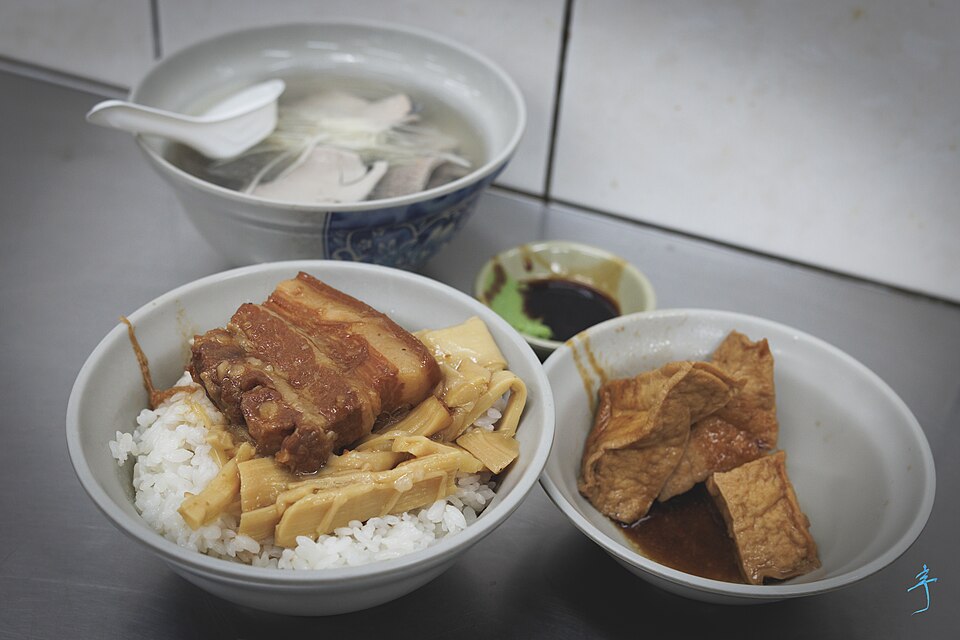
Tainan is especially known for milkfish at breakfast, a habit locals link to long days in the sugar cane and rice fields; Kaohsiung has milkfish breakfast shops too. A typical morning order is fried belly with garlic rice dressed in lard, plus fish soup or congee. At home it is fried, braised or added to congee. Expect small bones.
Around Taiwan
- Tainan
- Tainan farms about 3,500 hectares of milkfish. Taiwan's 2024 fisheries yearbook records 23,867 tonnes from the city, about 42 per cent of the national total and the most of any city or county. Anping District has a milkfish museum, and the city has many shops devoted to milkfish breakfasts.
- Kaohsiung
- Kaohsiung holds a yearly milkfish festival. Its coastal districts of Mituo and Yong'an are major producers.
- South
- Farming is concentrated on the southwest coast, from Yunlin and Chiayi through Tainan and Kaohsiung to Pingtung. Chiayi, Tainan and Kaohsiung raise the most.