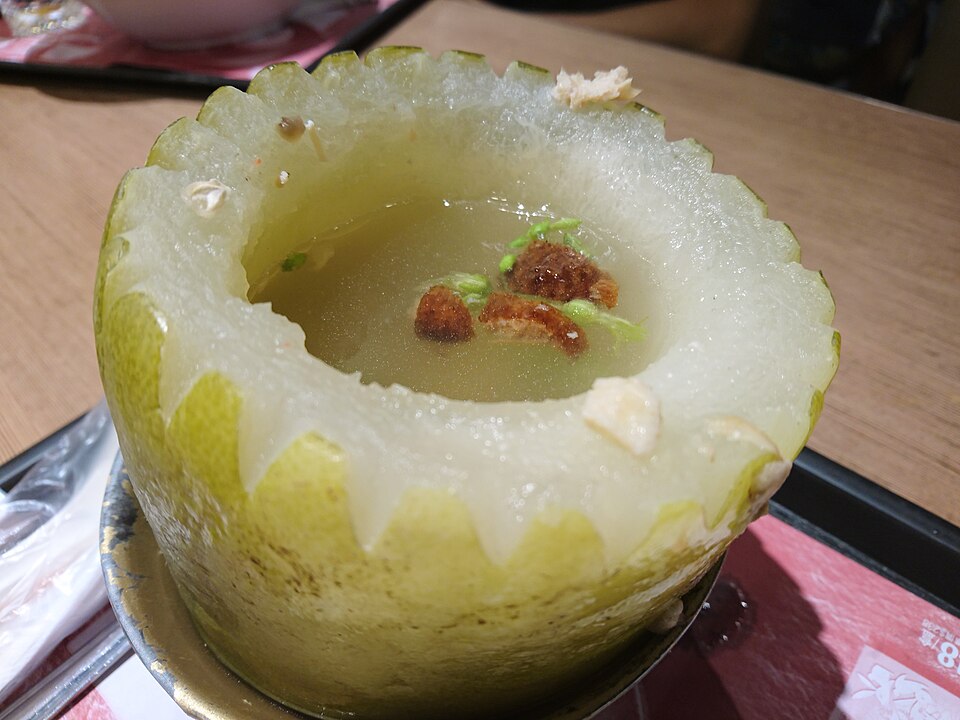
What it is
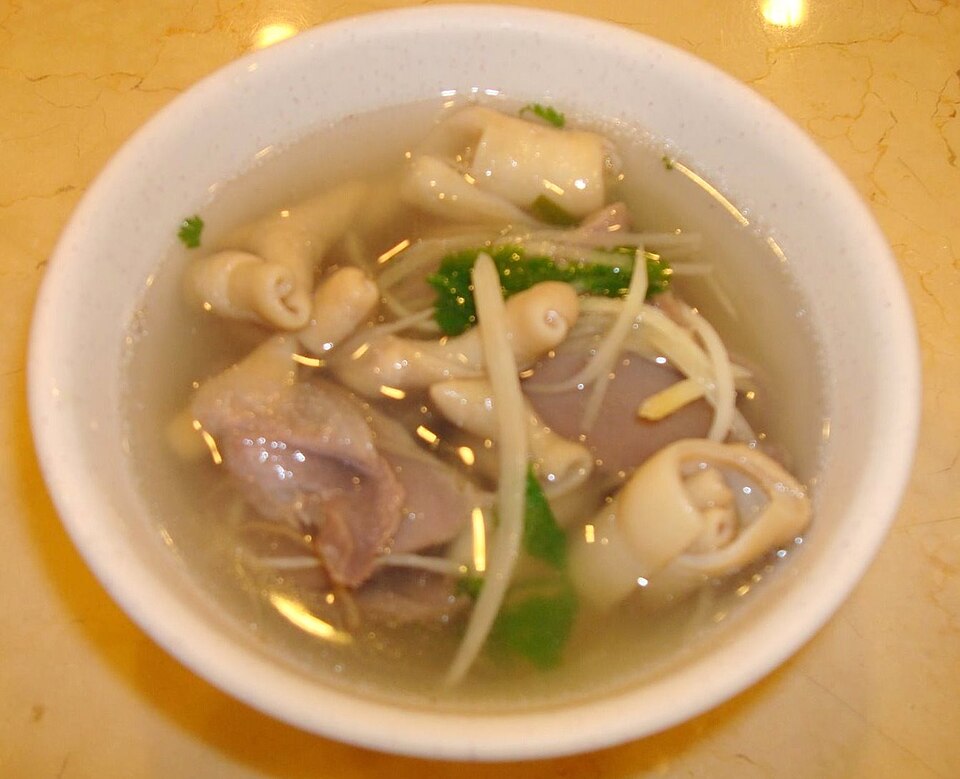
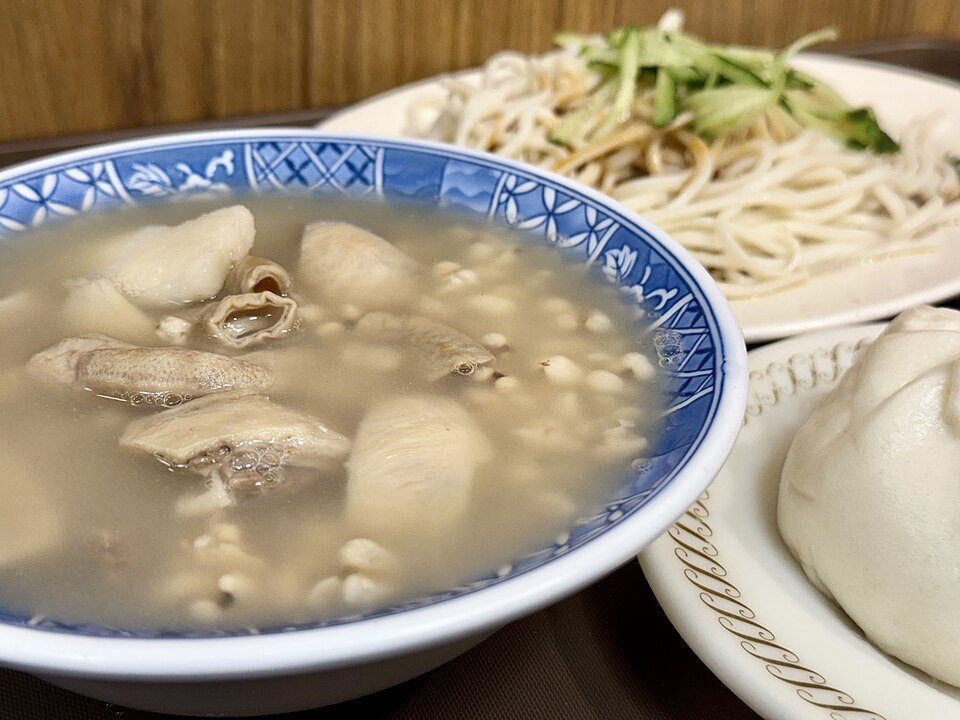
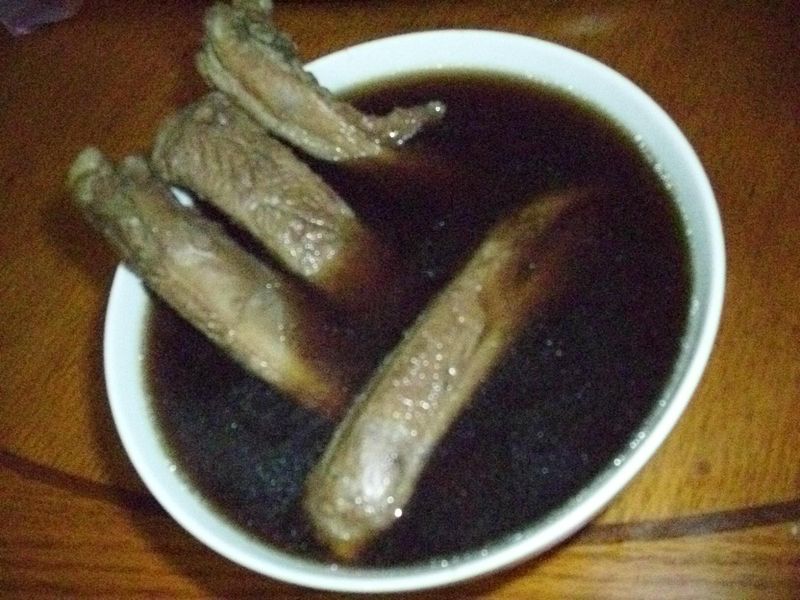
Double-boiled soup (燉湯) is made by sealing ingredients and water in a lidded ceramic jar and cooking the jar in a larger pot of hot water or a steamer. The liquid inside never boils hard and little evaporates, so the broth comes out clear and full of flavour.
Where it came from
The method comes from Chinese cooking, where the Cantonese call it dun (燉); in Mandarin the same character simply means to stew. It is also common in neighbouring Fujian. The technique is tied to the old Chinese belief that food and medicine share one source, an idea often credited to Lao Tzu. In palace kitchens it was used mainly in autumn and winter, when illness was more common, to combine costly foods with medicinal herbs in one dish. Delicate soups such as bird's nest are still made this way.
How it is made
The ingredients go into an inner ceramic pot with a recessed lid, which sits in an outer pot of water with its own domed lid, much like a bain-marie. The water is topped up as it cooks, and the inner lid stays on until the end. Full extraction can take up to five hours.
How to eat it
It is usually ordered as one pot per person and eaten as the centre of a simple meal, with rice or noodles and a small side.
Around Taiwan
- Kaohsiung
- Simmer House (小燉食室), in a former Taipower staff dormitory in Cianjhen, serves five Chinese-style double-boiled soups as set meals. A long-running street version is Lao Li Pork Rib Soup (老李排骨湯) in Sinsing, which steams fried pork ribs with winter melon in clay bowls and serves them with oil rice (油飯).