What it is
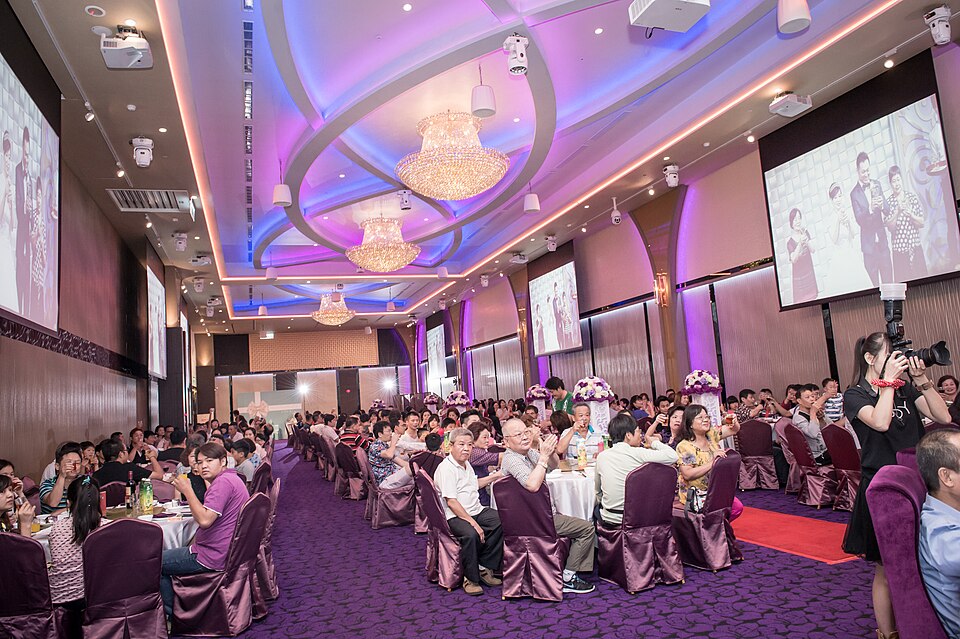
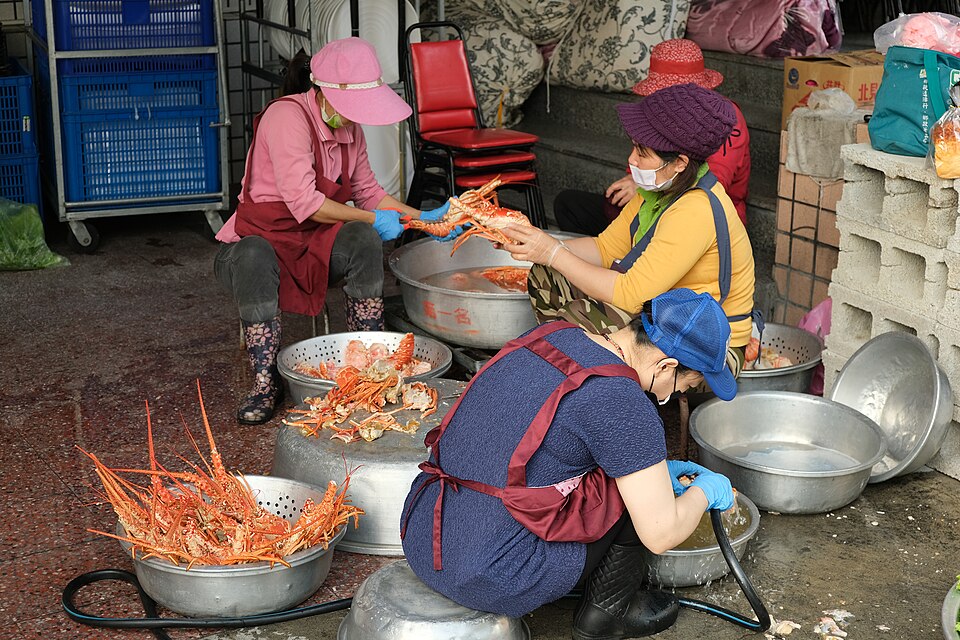
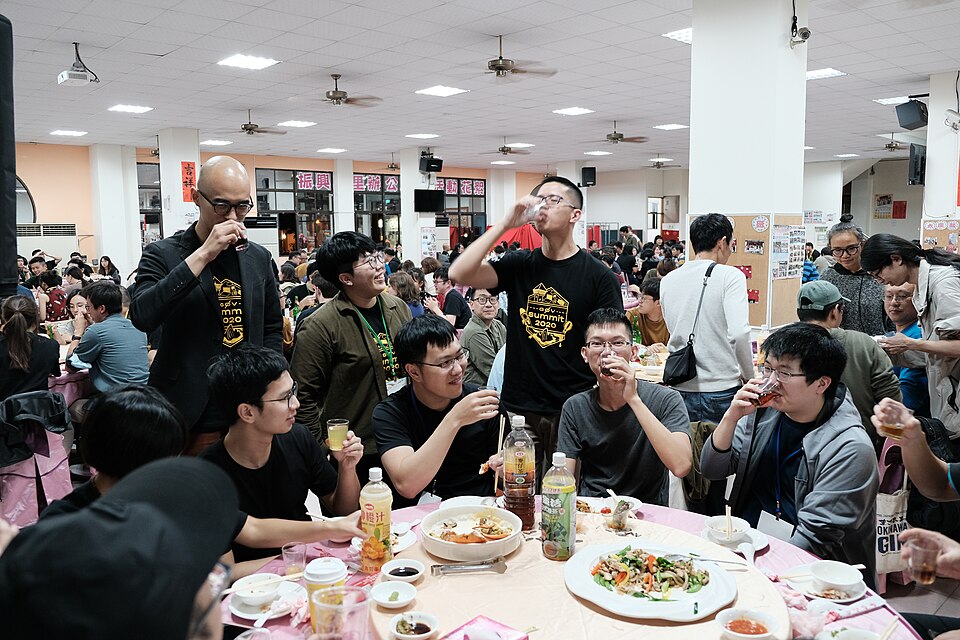
Bando (辦桌, literally "arranging tables") is a catered feast cooked where it is eaten. A head chef (總舖師) sets up stoves and work tables in a roadside tent, temple square or school sports ground and sends a run of dishes to round tables. Occasions include weddings, funerals, birthdays, house-warmings, year-end company parties, temple festivals and local elections.
Where it came from
Banquet catering came to Taiwan with Qing-era migrants from Fujian and Guangdong. At first only wealthy families could afford to feast their guests, and gentry entertained in the halls of their private gardens with household cooks. Under Japanese rule, restaurants catered banquets in private homes. In the villages, neighbours who could cook lent pots, stoves, tables and chairs, and guests carried the dishes to the table themselves.
The professional roadside banquet grew in the 1970s and peaked in the 1980s. Venues cost little, so hosts spent mainly on food, and events were held in the dry season with quick-to-build rain covers. Neimen District (內門) in Kaohsiung is the trade's best-known home. In the 1970s a Neimen head chef nicknamed 湯豬腳 trained apprentices who later set up on their own across Taiwan. By 2005 the district still had more than 150 banquet chefs, and one household in five lived from the trade.
Business fell sharply during the COVID-19 pandemic, and the trade has been criticised for repeating the same dishes. Some chefs' children have since recast bando as a fashionable night out.
How it is made
The head chef plans the menu and the order of service, and runs the cooking with apprentices. Temporary helpers chop, wash up, serve and clean; in southern Taiwan they are called 水腳, in the north 小工 or 女工. Before guests sit, each table gets a cloth and a turntable. Custom governs which dishes appear, the order they come in and who sits where.
How to eat it
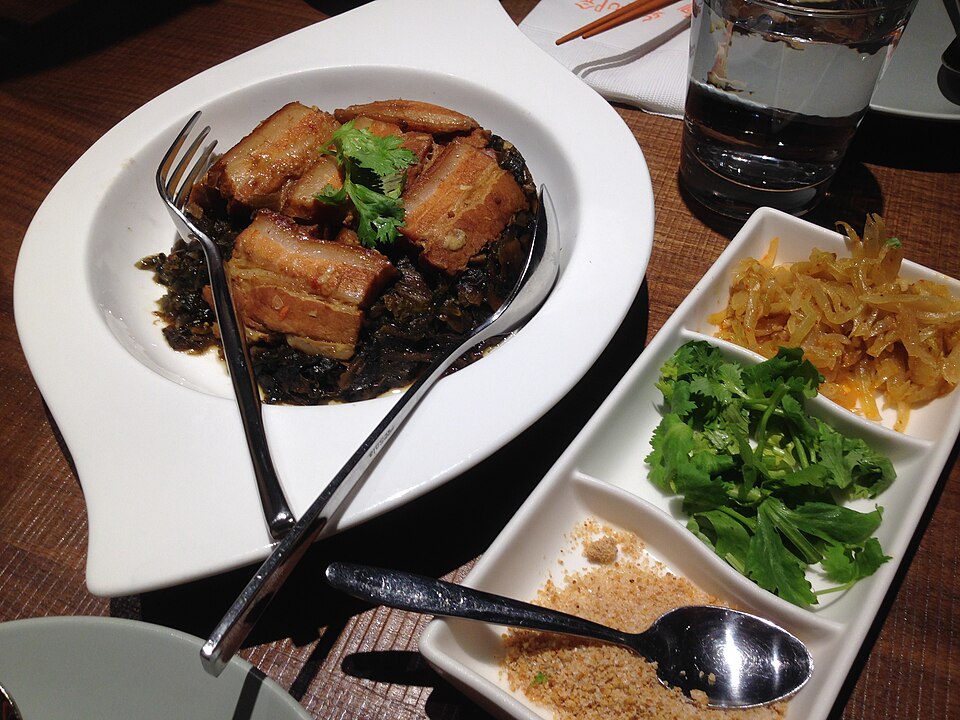
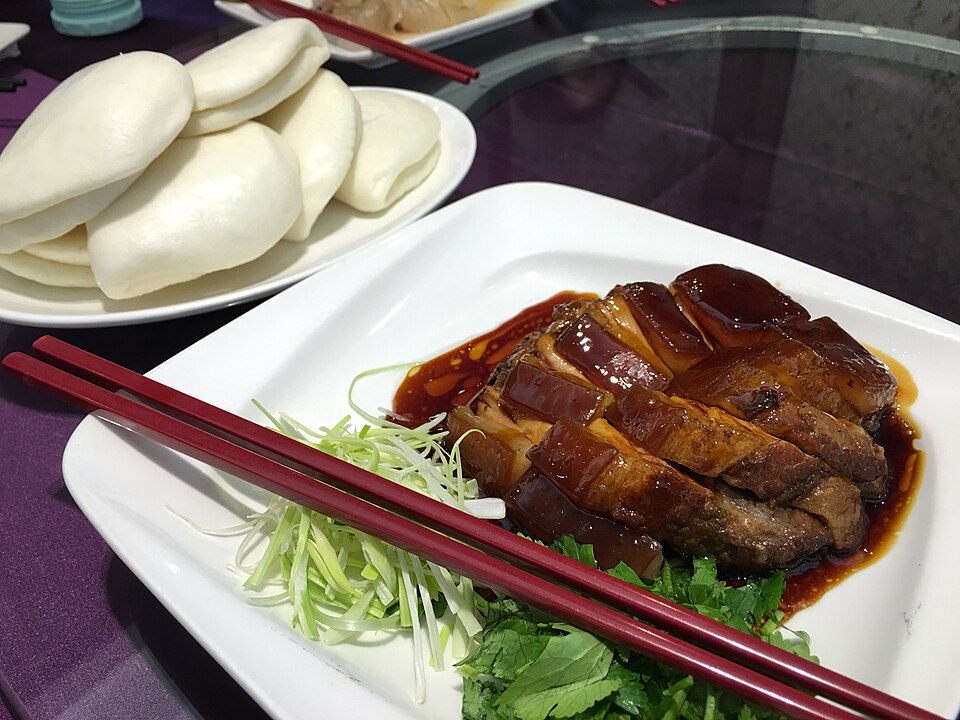
Guests sit at round tables and share each dish from the turntable. Wedding banquets in Taiwan often open with Japanese sashimi before moving on to Taiwanese and Chinese dishes. Without an invitation, the way in is a restaurant serving banquet dishes; these usually work as set menus booked in advance.
Around Taiwan
- Tainan
- Michelin inspectors note that Amei (阿美飯店) cooks banquet classics for the Tainan taste for savoury-sweet food, as in rou mi xia, a thick vegetable broth under fried Anping velvet shrimp. Zhu Xin Ju (筑馨居) serves seven banquet dishes and a soup in a red-brick house built around 1846.
- Kaohsiung
- Neimen District (內門) is known as the capital of bando, and in 2001 the Tourism Bureau listed its banquet festival among Taiwan's major local festivals. In the city, Old New Taiwanese Cuisine (老新台菜) on Jiuru 2nd Road offers three eight-course set menus of updated banquet classics.