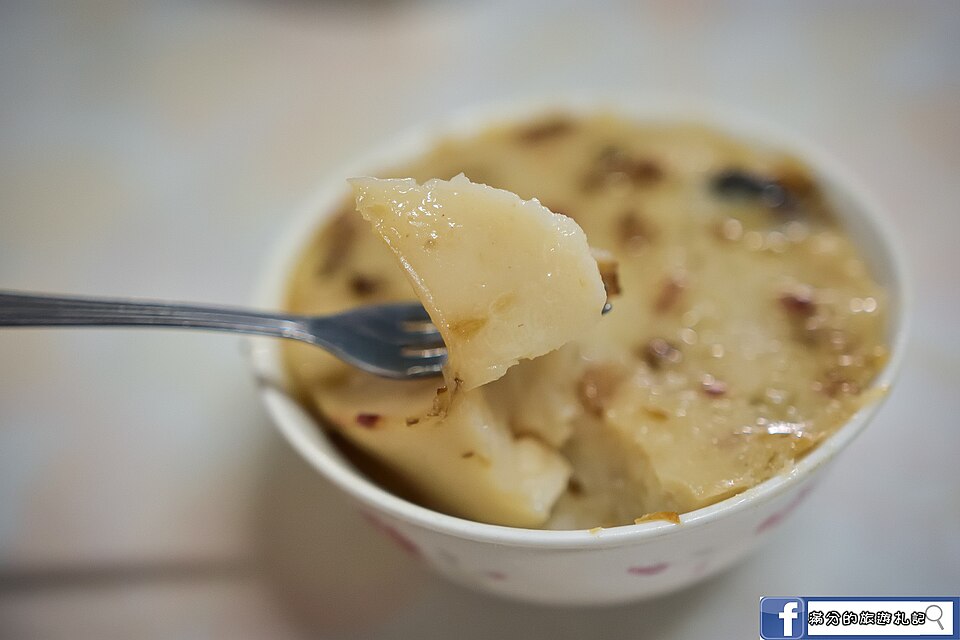
What it is
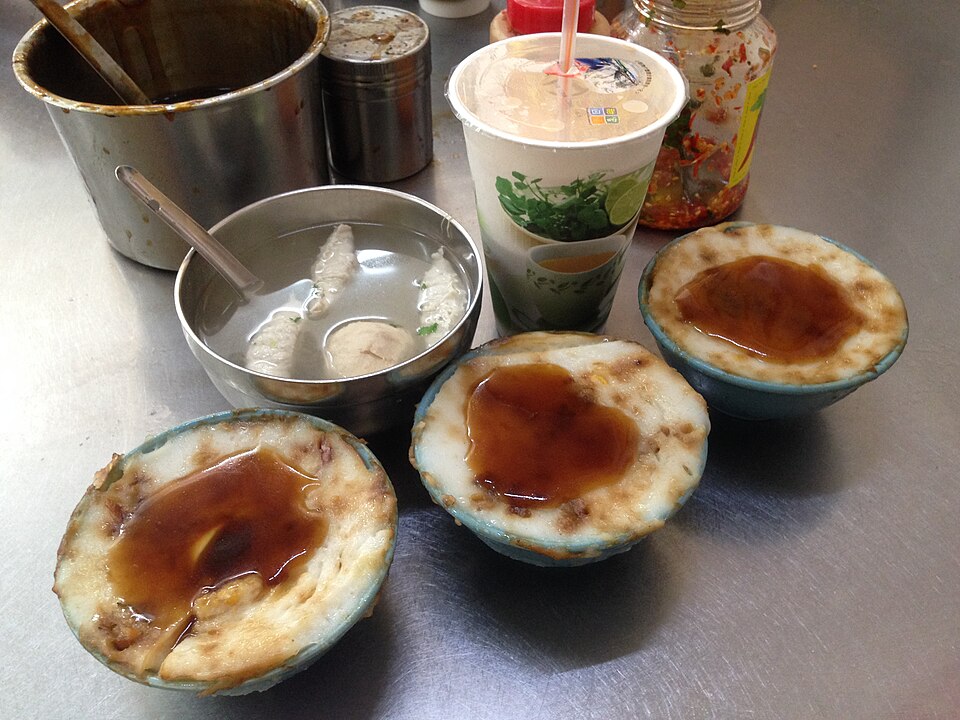
Kué (粿) is the Hokkien word for cakes made from ground rice, both glutinous and ordinary. Each kind is named for what goes in or its shape: radish cake (菜頭粿), herb cake (草仔粿), taro cake (芋粿), sweet cake (甜粿), risen cake (發粿) and red tortoise cake (紅龜粿). Hakka speakers call them pan (粄).
Where it came from
Kué take a long time to make, so they were never everyday food. They belong to festivals and to offerings at worship. Households once kept wooden moulds, later plastic ones, to press the red tortoise cake into the shape of a tortoise with the character for long life (壽) in the centre.
The names carry wishes. Before Lunar New Year families steam sweet cake, because in Hokkien "sweet" rhymes with "year" in a saying about a good new year. Risen cake, which splits open as it steams, stands for growing wealth, and radish (菜頭) sounds like the phrase for a good omen (好彩頭). Herb cake appears on family altars around Tomb Sweeping Day (清明).
As daily life changed, most families stopped making kué at home and began buying them at the market. The old moulds have become folk-craft keepsakes.
How it is made
Rice is ground with water into a milky batter, mixed with flavourings or fillings, shaped and steamed. Sweet cake uses glutinous rice and brown sugar. Risen cake adds wheat flour, yeast and sugar to ordinary rice, then ferments before steaming. Radish cake takes stir-fried shredded radish and dried shrimp. For herb cake, juice from Jersey cudweed (鼠麴草) turns the dough green. It is wrapped round fillings such as dried radish, mushroom and pork, then steamed on pomelo, shell ginger or banana leaves.
How to eat it
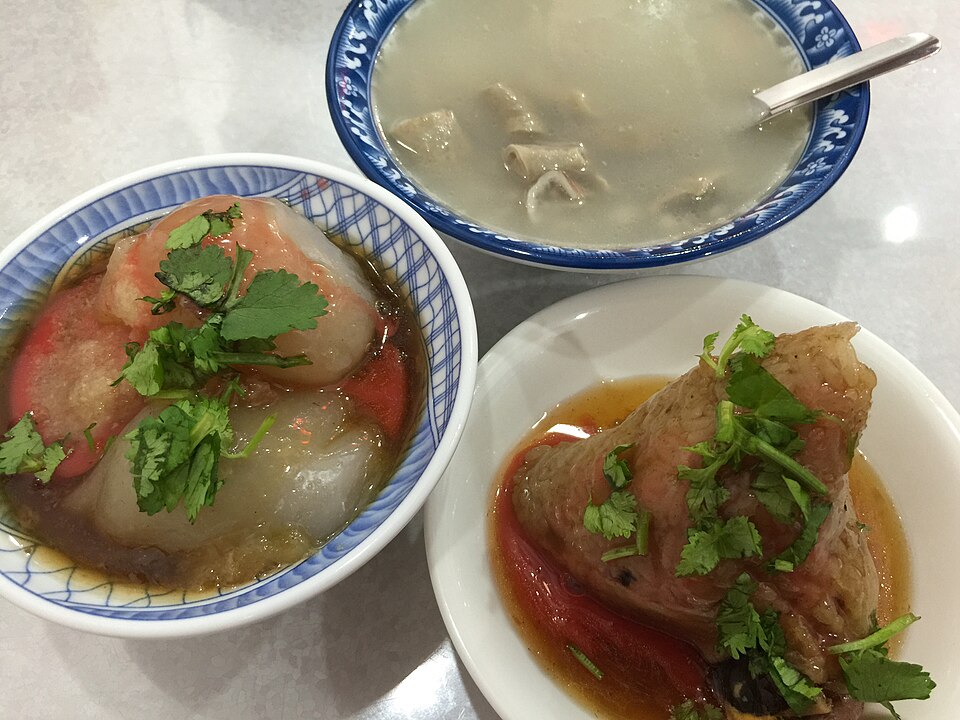
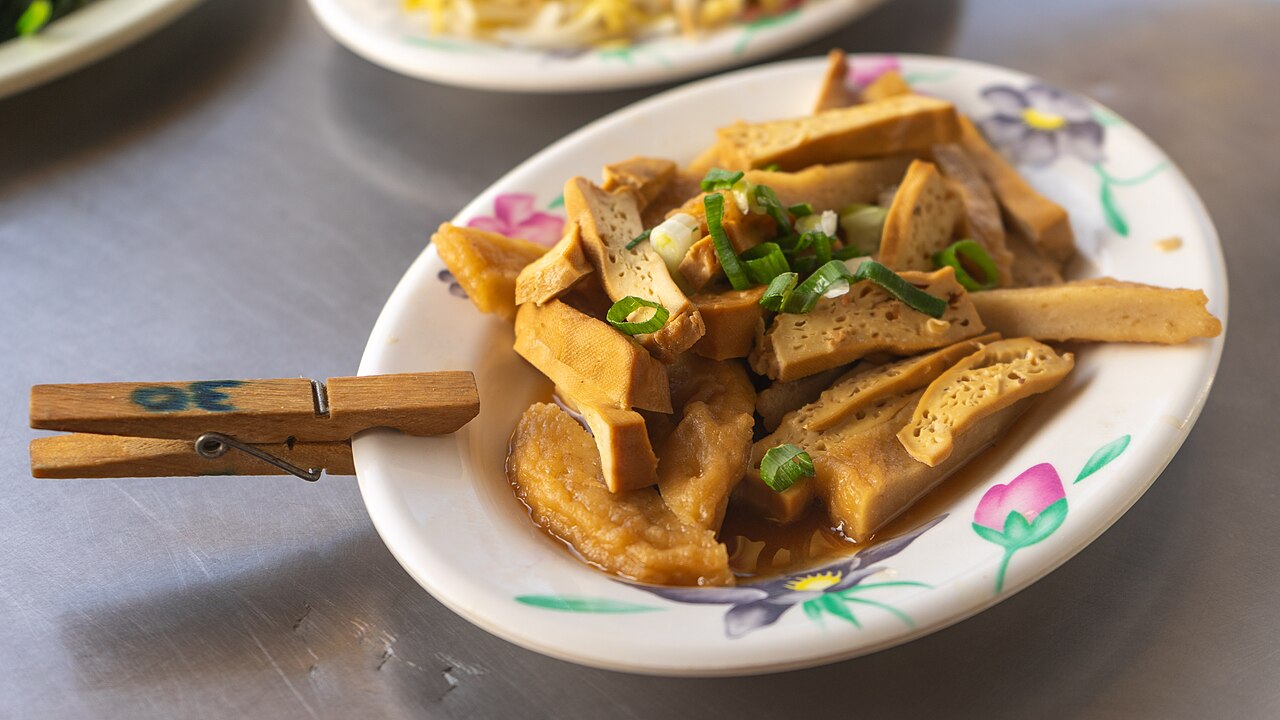
Kué are bought at markets and specialist shops, and handmade batches can sell out early in the day. A few kinds bought together make an easy spread to share. Herb cake comes with savoury fillings or sweet ones such as red bean, so check which you are getting.
Around Taiwan
- Kaohsiung
- Yu Family Chishan Kué (尤家赤山粿) in Fengshan is a handmade rice cake shop said to go back nearly a century. Its range is put at twenty-odd kinds, among them nian gao, radish cake, purple rice cake, nine-layer cake, herb cake, mochi and zongzi.
- Hakka
- Hakka cooks call rice cakes pan (粄). In some Hakka areas the green spring cake is coloured with mugwort (艾草) rather than cudweed and is called ai pan (艾粄).