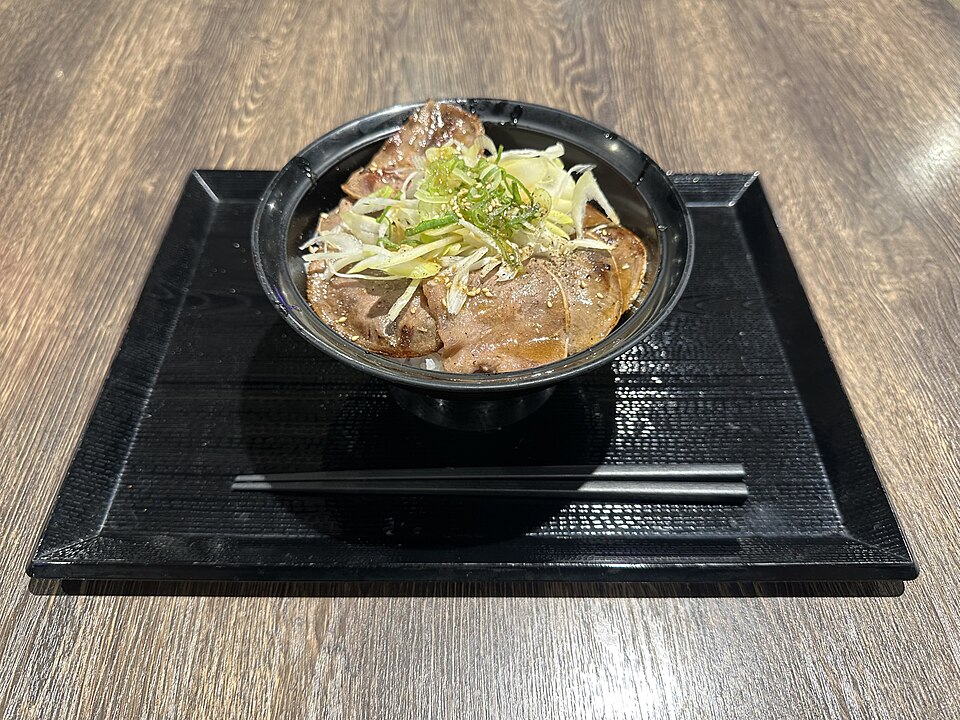
What it is
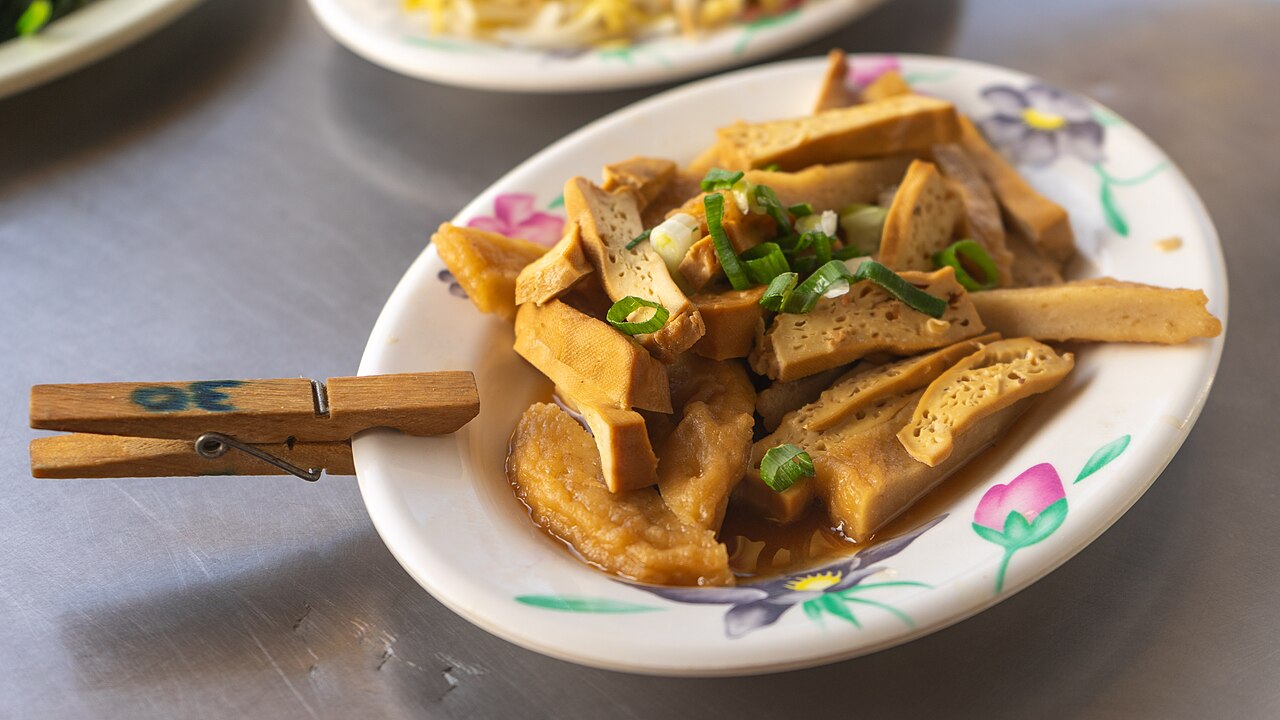
Pork tongue (豬舌, Hokkien ti-tsi̍h) is one of the cuts sold at offal stalls, next to heart, liver and other parts on plates of hei bai qie (黑白切). That name comes from the Hokkien oo-pe̍h, meaning "as you please", because diners who are unsure what to order can let the cook choose. Cooked and sliced, the tongue is meaty and springy.
How it is made
Stalls poach whole tongues, often in the same pot as pork heart and liver, lift them out when cooked and slice them to order. The cooking liquid does not have to go to waste. One old Kaohsiung noodle shop blanches tongue, heart and liver first, then simmers that stock for hours with a whole chicken to make the broth for its noodle soup.
How to eat it
Pork tongue is a side dish, ordered with noodles, glass noodles (冬粉) or rice. A dab of grated garlic gives it bite. At an offal stall you can name the cuts you want, or give a budget or the number of diners and let the cook put a plate together.
Around Taiwan
- Kaohsiung
- Hsiu Ming Pork Heart Vermicelli (秀明豬心冬粉) has traded beside Cishan Old Street since 1986, and tongue is its best-known dish. In Yancheng, Zheng Family Qiezai Noodles (鄭家切仔麵) poaches tongue, heart and liver for the broth of its noodle soup.