What it is
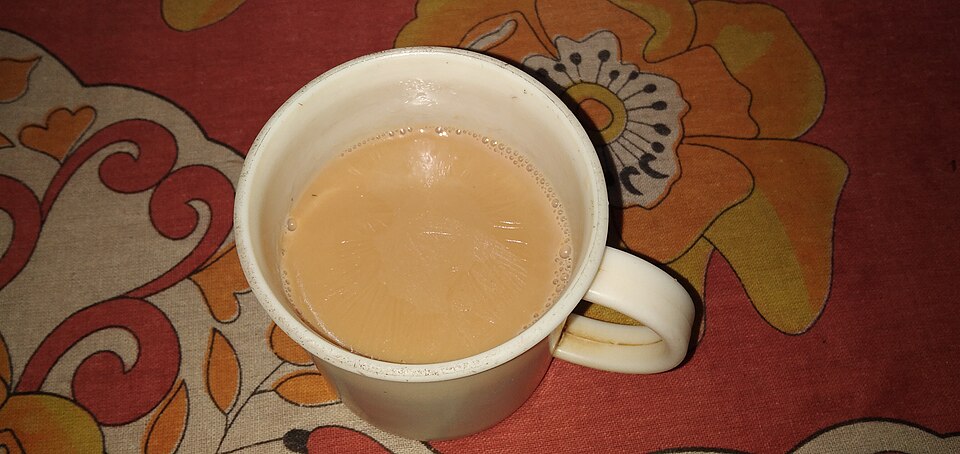
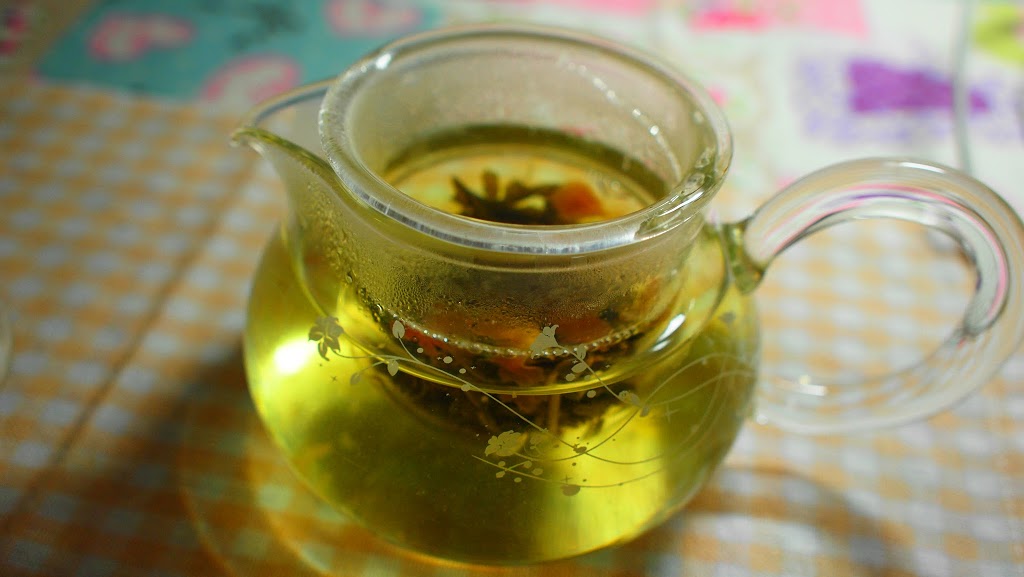
Lei cha (擂茶, "ground tea") is tea leaves, nuts, seeds and grains ground together into a paste and thinned with hot water into a thick, cloudy drink. The version sold in Taiwan's Hakka tourist towns is sweet and topped with puffed rice. An older savoury style is poured over rice and vegetables as a meal.
Where it came from
Ground tea goes back a long way in China. A Southern Song poem describes hosts grinding sesame for tea when guests arrived, and a Southern Song account of the capital's teahouses mentions lei cha sold in winter. A popular legend credits an old doctor with curing General Zhang Fei's plague-stricken troops near Chengdu with the brew during the Three Kingdoms period.
In Taiwan the story is shorter. The custom is tied mainly to Hailu (海陸) Hakka speakers, and it faded for a time under Japanese rule. After the Second World War, Hakka migrants from Hepo (河婆) in Jiexi, Guangdong, brought their savoury lei cha rice to Taiwan. In hard times some families are said to have fed the ground ingredients to infants in place of milk.
The sweet drink most visitors know is newer. In 1998 Hakka people in Beipu (北埔), Hsinchu, began promoting lei cha through the media as local culture industries took off across Taiwan. Their sweet version is a departure from the salty lei cha rice of Hepo.
How it is made
Tea leaves or green tea powder go into a grinding bowl (擂缽) with roasted peanuts, black and white sesame, and often grains or seeds such as brown rice, mung beans, millet or pumpkin seeds. A wooden stick (擂棍) is turned round the bowl in one direction until the mix releases a little oil and turns to a fine paste. Hot water is stirred in, and the sweet version is finished with puffed rice.
How to eat it
In Taiwan lei cha is mostly a snack in teahouses in Hakka towns, where customers can grind their own at the table. Hakka hosts traditionally served it to visiting guests and at weddings and other celebrations. Some Beipu shops also sell an iced, blended version (擂茶冰沙).
Around Taiwan
- North
- Beipu (北埔) in Hsinchu has many lei cha teahouses, one in a century-old red-brick house, and a local bakery sells lei cha cakes (擂茶餅). It is the town that turned the sweet version into a visitor attraction from 1998.
- Central
- A tea culture park near Toufen (頭份) in Miaoli has run lei cha grinding sessions that draw families of three generations.
- Hakka
- The older Hepo style is savoury: lei cha poured over rice and vegetables. It survives on a small number of Hakka tables in Taoyuan, Hsinchu, Miaoli and Hualien.