What it is
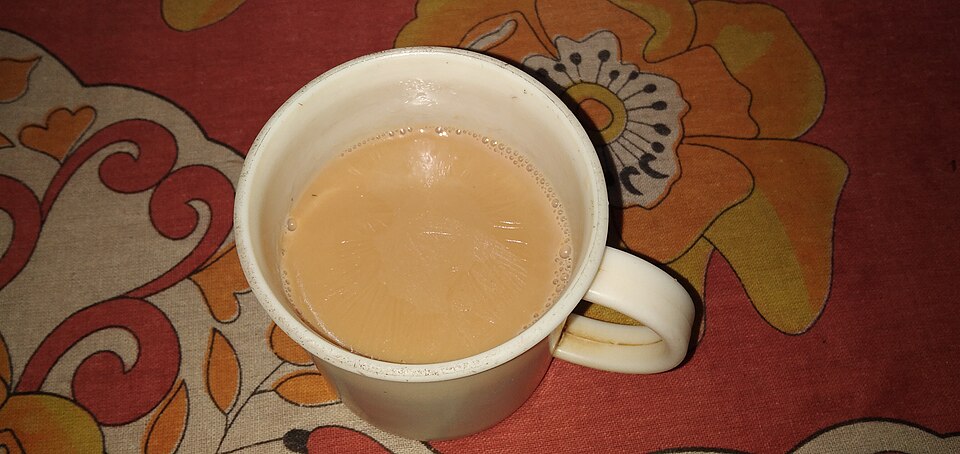
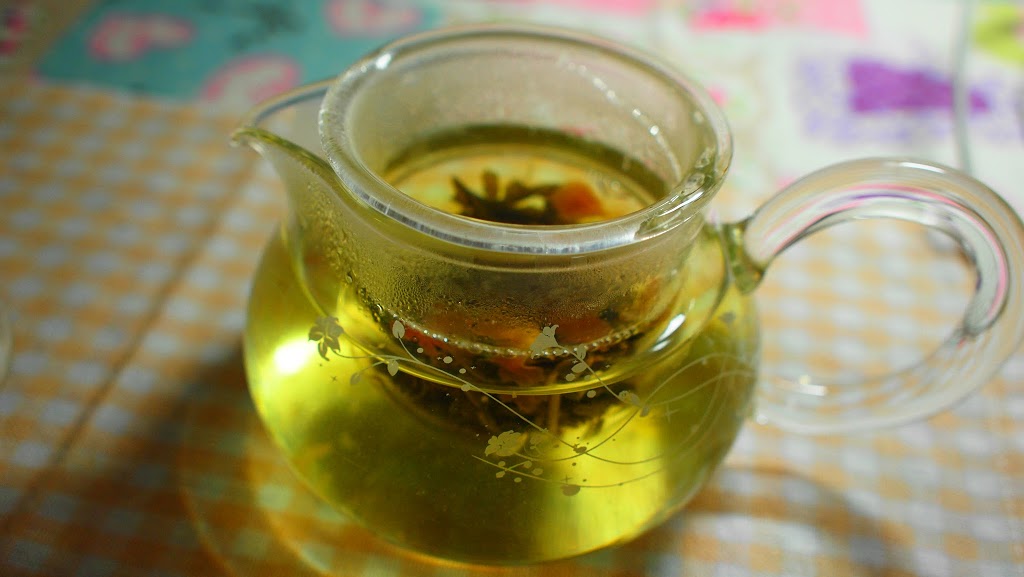
Herbal grass tea (青草茶), also called hundred-herb tea (百草茶), is a Taiwanese drink brewed from local medicinal plants. Most blends are built on mesona (仙草, the plant behind grass jelly) and mint. The tea is brownish and herbal, often minty, and some blends taste slightly bitter. It is served cold or hot.
Where it came from
The drink is closely tied to Taiwan's herb shops (青草店). The best-known cluster is Herb Alley (青草巷), Lane 224 of Xichang Street in Taipei's Wanhua District, which runs along the wall of Longshan Temple. Before Western medicine spread, people would pray at the temple and then buy herbs here. Worshippers drew a medicine slip (藥籤) at the temple and took it to the lane to have a herbal tea made up. That habit gave the lane a second name, Lifesaving Lane (救命巷).
More than ten herb shops still trade there. Accounts of the trade's age differ. Taipei's tourism office says most shops have been handed down through families for over a century. Travel in Taiwan places the main gathering of herb sellers between the post-war years and the 1970s. The earliest shop on the lane, De An (德安青草店), is close to a century old.
How it is made
There is no fixed recipe. Taiwan has more than 200 plant species that can be used, and a shop's blend often mixes five or more. Besides mesona and mint, common choices are Spanish needles (咸豐草), fish mint (魚腥草), plantain (車前草), spider brake fern (鳳尾草) and sweet broomweed (甜珠草). The herbs are simmered in water. Commercial versions may add plenty of sugar to hide bitterness, while home brewers are advised to use little or none. With no preservatives, it sours easily and should be chilled soon after brewing.
How to eat it
It is sold as a thirst-quencher. Because herbal medicine counts it as a cooling (寒涼) drink, it is meant in moderation. Health writers advise pregnant women, young children and people with weak stomachs or kidney disease not to drink large amounts. Herb shops serve it hot or cold.
Around Taiwan
- North
- Taipei's Herb Alley (青草巷) beside Longshan Temple is the classic place to buy it. Healing Herbar (老濟安), run by a third-generation owner, began on the alley and has since moved further north along Xichang Street. It makes custom blends served hot or cold.